
What Being the Only Black Kid in Class Taught Me About Web Design and Development
May 6, 2026 • 7 minute read
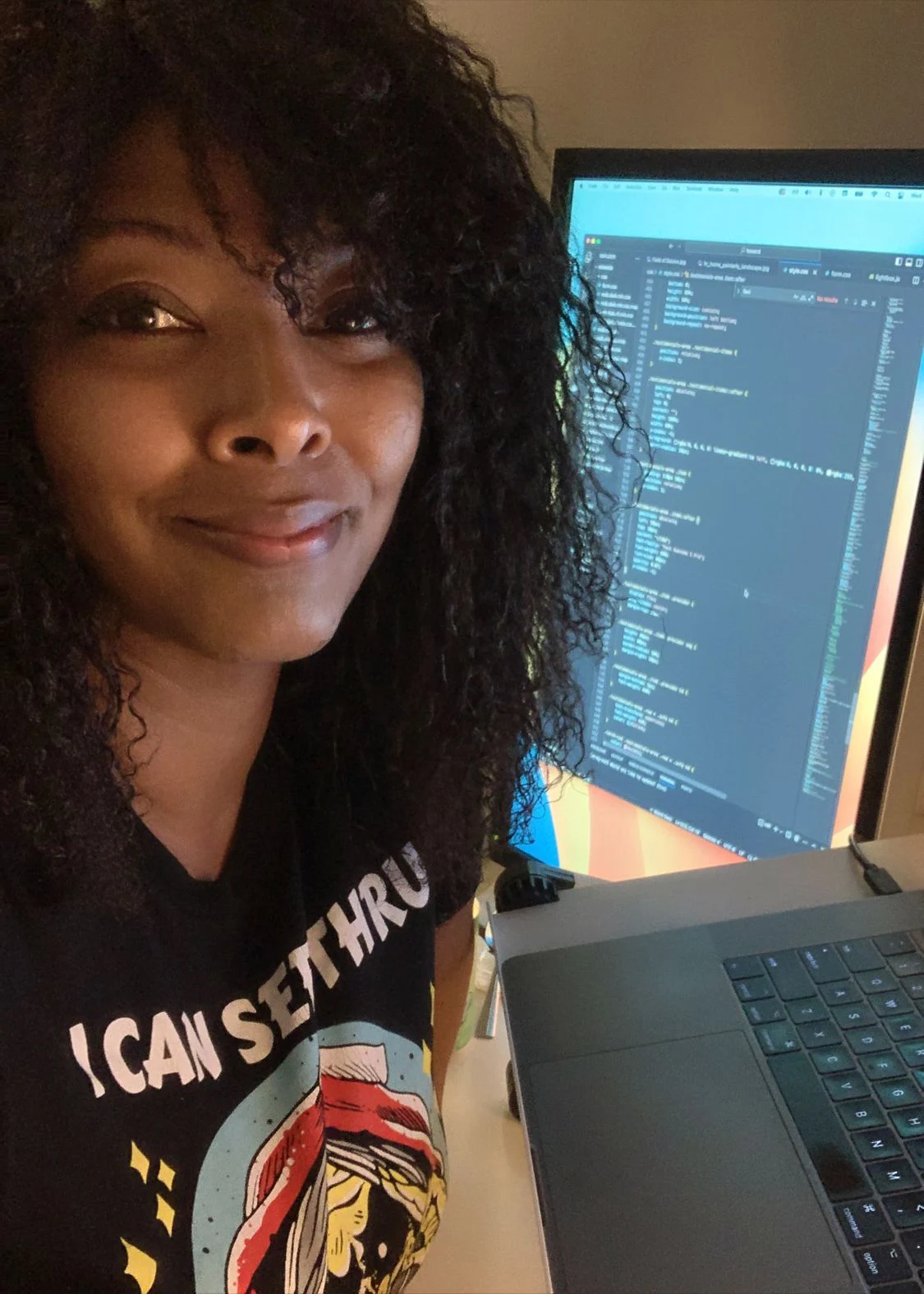
I grew up in Naperville, Illinois, which is a suburb about 30 miles west of Chicago. When my family moved there, it was a small town, but by the time I graduated high school, it had grown into one of the largest suburbs in the state. And for most of my childhood, it felt like a small, predominantly white community where I was often the only Black kid in the room.
My mom was a well-educated small business owner with degrees in organizational behavior and development. She was militant in the best sense of the word: she made sure I understood who I was, where I came from, and what the world might try to tell me about myself. My dad was an artist (a painter and photographer) and pretty much everyone's friend. He could walk into any room and charm or connect with anyone. Between the two of them, I got a very specific education in what it means to be Black while also learning how to build real relationships across every kind of cultural line.
The Part Nobody Talks About
People talk a lot about how being the only Black kid can feel isolating, where you end up with this feeling of not fully belonging in any one group. Or the identity tension of being culturally Black at home and culturally surrounded by whiteness everywhere else. All of that is real, and I experienced every bit of it.
But what people don't talk about nearly as much is the positive side of that experience.
For me, growing up navigating two worlds meant I learned to read people in ways that most people don't have to. I picked up on the subtle hesitations, the unspoken questions, the moments where someone wanted to connect but wasn't sure how. I started to understand people's fears and insecurities on a level that went deeper than surface conversation. And when the walls came down and genuine connection happened, I recognized it immediately because I knew what it looked like compared to everything else.
That's not something you learn from a textbook. That's something you learn from living it every day, from elementary school through high school, and then carrying it into adulthood.
How That Showed Up in Corporate
I spent over 15 years in corporate sales and marketing before starting my own business. I worked at companies in entertainment, education, and tech, managing partnerships with brands like Sundance Institute, Tribeca Festival, and Sennheiser, among others.
In every one of those environments, I was frequently the only Black woman in the room. But the interpersonal instincts I'd developed growing up in Naperville weren't a disadvantage in those rooms. They were a superpower. I knew how to make people feel comfortable. I could read the dynamics in a meeting before anyone said anything. I understood how to build trust quickly with people who didn't look like me, because I'd been doing it my entire life.
That skill set didn't just help me survive corporate. It made me genuinely good at the relationship-driven parts of the work: the client-facing conversations, the partnership building, the ability to connect with people across completely different backgrounds and make them feel understood.
It also taught me what I didn't want. Working in corporate environments gave me a lot of experience, but it wasn't where I was meant to stay. I eventually 'quiet quit' my last corporate job, used my severance to attend a coding bootcamp, and built Ry Marie Marketing from scratch here in NYC. That story is its own article. But the interpersonal foundation I built growing up came with me, right into a field where, statistically speaking, the majority of web designers and developers are white and male, and Black women remain a small minority. In other words, I'm still the only Black kid in class. Just a different classroom.
Why It Matters in How I Work with Clients
Today I design and develop websites for small businesses, creatives, and brand owners across a wide range of industries and backgrounds. Musicians, photographers, creative agencies, MWBE-certified businesses, real estate professionals, e-commerce brands. My clients are Black, white, Latino, Asian, male, female, first-generation business owners, seasoned entrepreneurs. The range is wide, and that's by design.
What I've found is that the same skill that helped me navigate Naperville and navigate corporate is exactly what makes me effective as a web designer, developer and collaborator. Web design, at its core, is a relationship business. Before I write a single line of code, I need to understand who you are, what your brand represents, and what you're trying to communicate to your audience. That requires trust. It requires a client feeling comfortable enough to be honest about their vision, their taste, and sometimes their insecurities about how their business presents itself online.
I've found that I'm able to create that space naturally. Not because I studied it, but because I've been building that space my entire life. My upbringing taught me how to meet people where they are; and that's exactly what a good discovery call is. It's exactly what understanding someone's brand requires. And it's why I think the work I produce reflects my clients so well. I'm coming from not only an artistic background influenced by the various flavors and styles of the cultures I grew up around, but I'm also able to make sure my clients feel heard during the process, and that shows up in the final product.
Coming to New York
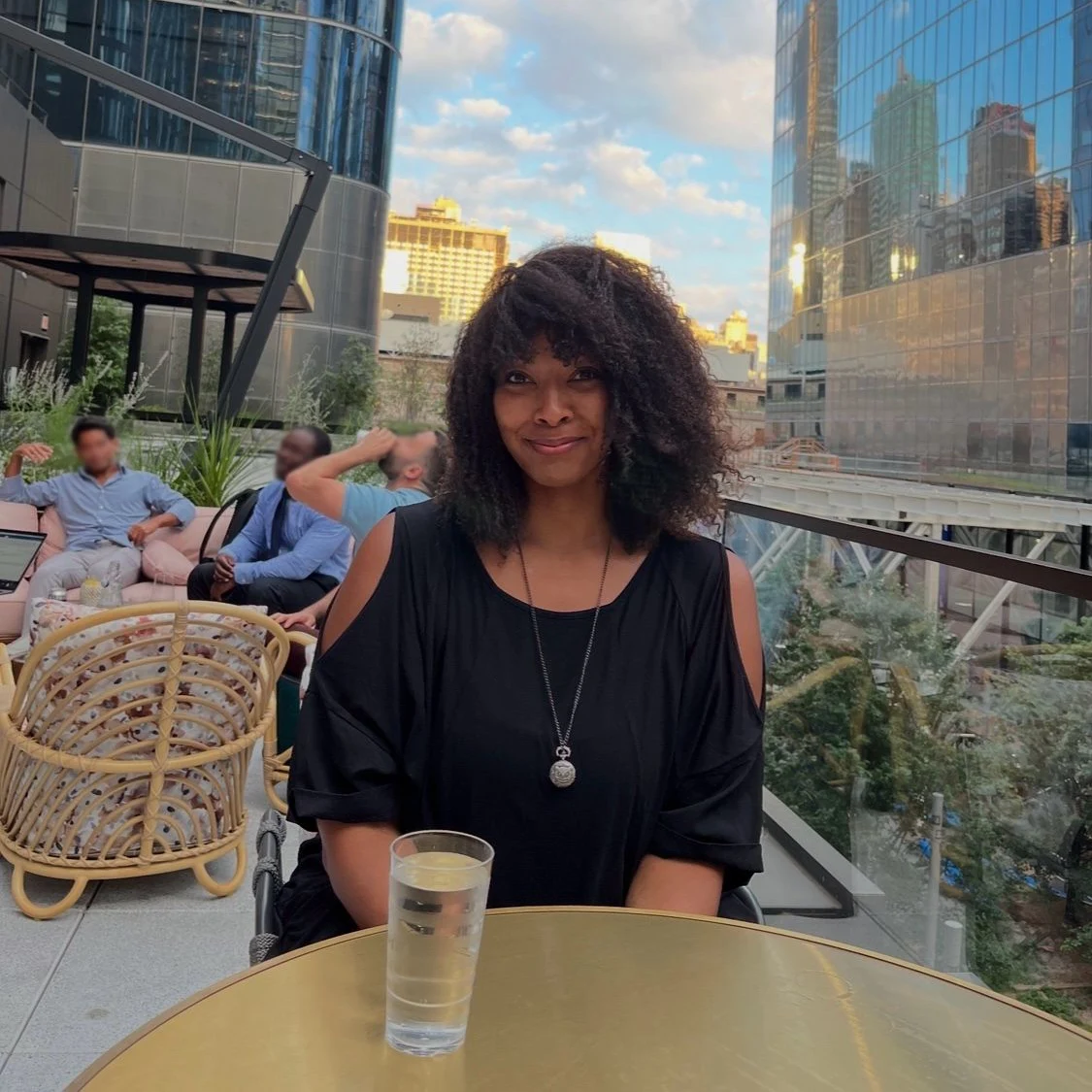
Moving to New York felt inevitable. I came here for NYU's Tisch School of the Arts to study film and television, and New York became home in a way Naperville never quite was.
There's something about being in a place where diversity is the default, where you can walk down the street and hear five languages in two blocks, that makes you feel like you've finally landed somewhere that matches the way you've always moved through the world. New York didn't teach me how to connect with people from different backgrounds; growing up outside Chicago taught me that. But NYC gave me a place where that skill is valued and where the range of people I get to work with reflects the full spectrum of what small business looks like in this country.
What I Think We All Actually Want
Here's what I've come to believe after a lifetime of navigating these dynamics: most people, at least the ones worth working with, want the same things. They want to be seen for who they actually are. They want to feel understood. They want to be respected. And maybe more than anything, they want to know that the person across from them sees those things in them.
That's not a Black experience or a white experience. That's a human one. But I do think growing up the way I did gave me a particular sensitivity to it, and a kind of emotional radar that I couldn't have developed any other way.
I'm grateful for that. And I'm grateful that the work I do now lets me use it every day. When a client trusts me with their brand, they're trusting me with something personal. I don't take that lightly, and I think they can feel that.
That's what being a Black web designer and developer in NYC means to me. It's not just a demographic description. It's the lens through which I see the work, the clients, and the relationships that make this business worth running.
About the Author
Ryann is the founder of Ry Marie Marketing, a Black-owned and woman-owned boutique web design business based in Brooklyn, NYC. She specializes in custom websites for small businesses across industries, from creative agencies and photographers to MWBE-certified companies and e-commerce brands. Learn more about working together.